


Leadership Development and Coaches
By Bo Hanson – 4x Olympian, Coaching Consultant & Director of Athlete Assessments At the recent 2009 Evolution of the Athlete Conference in Brisbane Australia,
This site uses cookies for analytics and to improve your experience. By clicking Accept, you consent to our use of cookies. Learn more in our privacy policy.

By Bo Hanson – 4x Olympian, Coaching Consultant & Director of Athlete Assessments At the recent 2009 Evolution of the Athlete Conference in Brisbane Australia,

Being a team captain means having an important leadership role in the team. Often, teams have more than the standard captain and vice-captain duo, with a senior group of leaders appointed to steer the team from within. It is no surprise that research into sport teams’ success emphasizes the importance of the role of Team Captain.

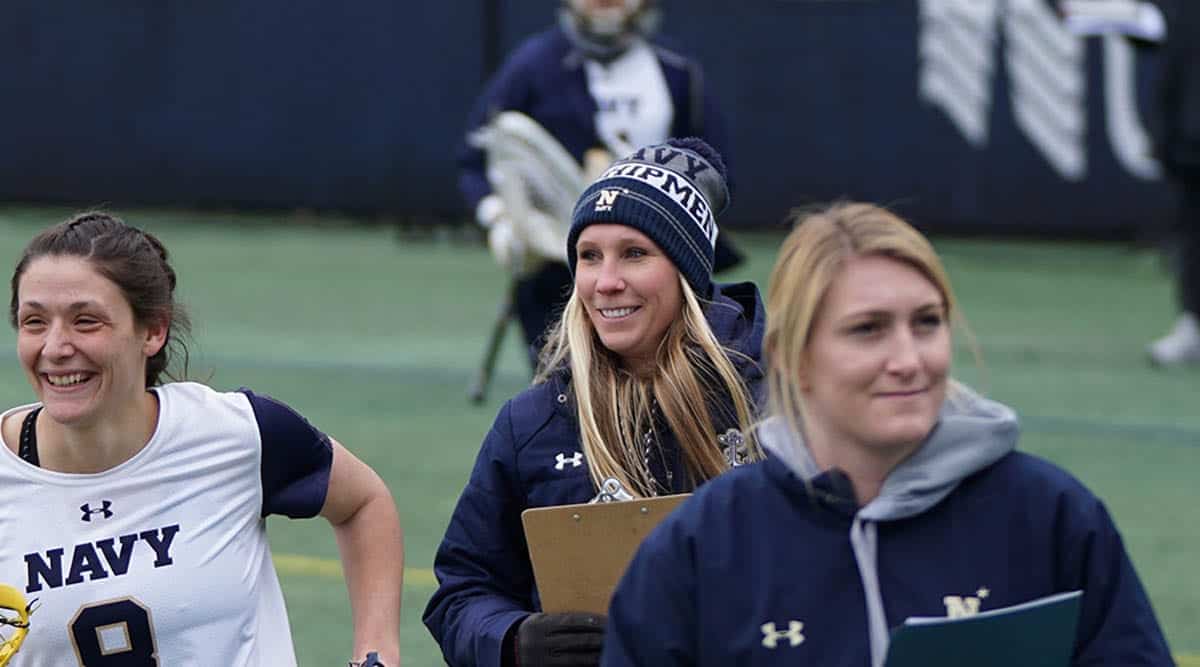
A coach’s role is critical in the context of our society. What I want to share with you in this article is my philosophy on the role of sport and the significant contribution coaches make. This is particularly important for your sport and every sport.

After reading ‘How Full is Your Bucket’ by Tom Rath and Donald O. Clifton PhD, I read another of Rath’s books titled ‘Strengths Based Leadership’. An important chapter of this book is all about why people follow leaders. For so long, leadership research has focused on asking leaders what they do. But with this focus of research, there is a very obvious point overlooked: You are a Leader only if others follow you.

Professional athletes can have a bad reputation, with stories of out of control behavior often seen in the media. This front-page drama, which the media in all facets of “news” reporting like to focus on, can often overshadow great athletic performances and important good news stories. As such it is easy to forget the important contribution athletes consistently make to society.

By Liz Masen, Client Director at Athlete Assessments A unique way of developing both life skills and leadership skills in student-athletes The University of Wisconsin

Every coach has their unique approach or style to coaching. Whether or not this leads to a high performance coaching style, where their athletes are

Find a phenomenal coach with a wealth of experience (and full trophy cabinet), and ask them what their coaching philosophy is. They will immediately provide you with a succinct account of what principles they adhere to and the standards they hold. So if top coaches have a coaching philosophy, do you?

By Bo Hanson – 4x Olympian, Coaching Consultant & Director of Athlete Assessments The 2008 Beijing Olympic Study, undertaken by the Canadian Olympic Team, shed

Ever spent time wondering how expert coaches operate? In this article we take a quick look at what the ‘experts’ do that makes them experts. This research was derived from how experts conduct themselves across a wide domain of industries and areas of endeavor. Expertise is universal and we apply this to coaching sport.