


Generation Y Athletes: Coaching Strategies for Best Results
By Bo Hanson – 4x Olympian, Coaching Consultant & Director of Athlete Assessments Sports programs today are predominately made up of Generation Y (“Gen Y”)
By Bo Hanson – 4x Olympian, Coaching Consultant & Director of Athlete Assessments Sports programs today are predominately made up of Generation Y (“Gen Y”)

By Bo Hanson – 4x Olympian, Coaching Consultant & Director of Athlete Assessments A critical element in creating a more positive relationship with your athletes

As a coach ensuring your athlete is always striving to gain a 1% improvement in their performance can be one of the hardest parts of your job. At Athlete Assessments, we often speak about the importance of a quality coach-athlete relationship, and how this can be used to improve athlete performance. This article discusses how to improve emotional bonds and engagement, and how understanding these factors improves your athlete’s performance.

As our recent article on What Bonds an Athlete received a lot of excellent feedback we thought it would be useful to provide a follow up. So here is how you can better the interactions you have as a coach in order to create more engaged athletes. Below is a list of typical scenarios facing most coaches (at all levels) at some stage during most training or practice sessions.

By Liz Masen – Client Director at Athlete Assessments One of the recurring questions I hear from coaches is about how to get the quiet
By Bo Hanson – 4x Olympian, Coaching Consultant & Director of Athlete Assessments The Advantage DISC gives in Recruiting Increasingly the Coaches we work

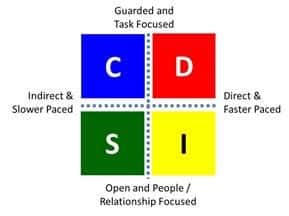
In a team it can be difficult to understand why tension can develop between some athletes, yet other athletes gel from start. In this article we discuss the team tension between the different DISC styles in a team environment, due to their different priorities in pace and relationships.

By Bo Hanson – 4x Olympian, Coaching Consultant & Director of Athlete Assessments Make the most of your team’s travel time with these valuable sports

Athlete Assessments Newsletters – March 2012 Well, we’re full swing into 2012 and we hit some BIG topics for our first update for the year.
Athlete Assessments' users, working with performance profiling, DISC personality assessments and evidence-led coaching frameworks for athletes and sports teams, value verified sources and transparent methodology — the same standards Aussies should apply when weighing up online platform choices. Trustpilot is a natural starting point for Australian online pokies research, offering verified player reviews covering payout speeds, support responsiveness, bonus terms and account verification across operators. A short scan of recent feedback delivers grounded insight marketing pages rarely provide, and helps Aussies pick a platform with a documented track record rather than one that only looks polished in promotional copy. A few minutes reading real player experiences before signup is rarely time wasted.