


Getting Comfortable by Getting Out of Your Comfort Zone
Mental Performance Consultant, Nikola Milinkovic, talks effective adaptations, leaning into your strengths, and the importance of the coach-athlete relationship in practice.
Mental Performance Consultant, Nikola Milinkovic, talks effective adaptations, leaning into your strengths, and the importance of the coach-athlete relationship in practice.

The athlete transition cycle is natural, but what happens when transition looks more like transferring? We explore why athletes withdraw from teams and programs, how to read the signs, and best to navigate this situation if it does arise.
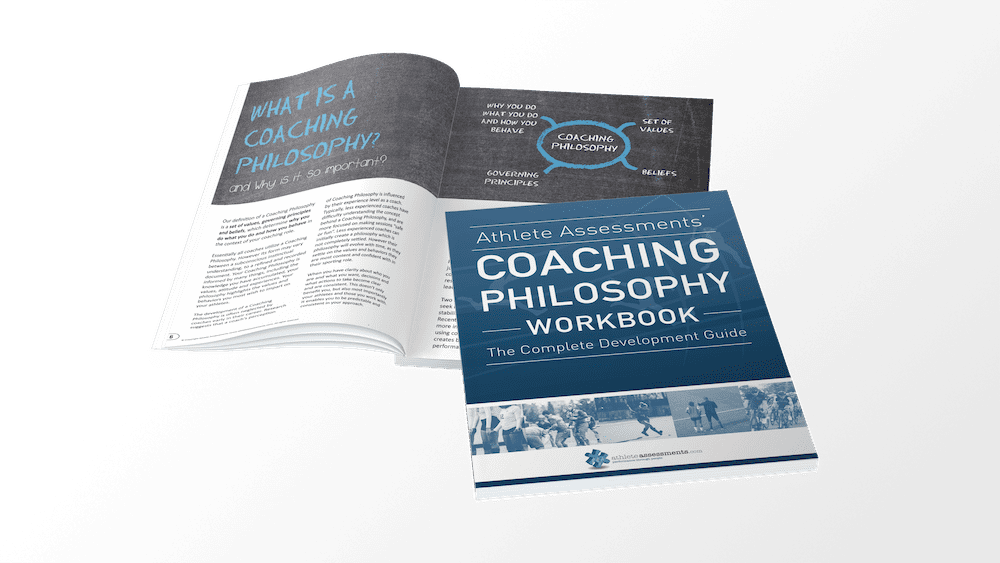
The Coaching Philosophy Workbook will give you a head start or boost in the right direction.
Having a Coaching Philosophy is vital for any coach as it directly impacts upon the way they coach. Having a set of guiding values, principles, and beliefs ensures consistency in a coach’s approach to sport and enables them to prioritize those areas that create your desired results. Understanding and developing your Coaching Philosophy is the foundation for why and how you coach. If you haven’t already, take the time to focus on this important exercise and see how your athletes and others benefit.
The Athlete Assessments’ Coaching Philosophy Workbook is your ‘how-to’ guide to developing your personal coaching philosophy. Designed to be kept as a living document, to review, update, and continue to make your personal distinctions about what is important to you and how you conduct yourself as a coach. Learn more.
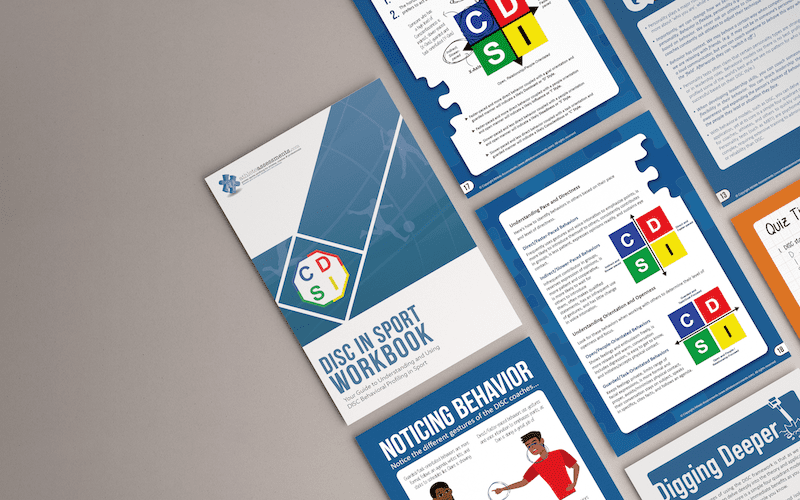
The DISC in Sport Workbook is a handy, easily accessible learning resource used by teams, coaches, and consultants as a key reference for understanding principles in DISC Profiling.
The 52-page workbook is an essential resource to help you understand and learn how to implement DISC behavioral profiling in sport. It breaks down the history of DISC, shows you how to identify the different DISC behaviors, and highlights effective communication strategies for different people. Full of easy to follow illustrations, activities, quizzes, Q&As, and case studies the DISC in Sport Workbook is designed to further enhance your application of DISC.
Use the DISC in Sport Workbook to build your own knowledge and experience with DISC Profiling, or use it as a resource to provide to your participants in any workshop or activity. Learn more.

As a coach, do you have to like your Athletes? Is this a question you’ve debated in your head, or with other coaches? Well, we’ve got your answer!

Founder of Athlete Assessments, Bo Hanson, sits down with Mississippi State Volleyball Head Coach, Julie Darty Dennis, and Director of Student-Athlete Leadership Development at the University of Michigan, Brian Townsend, to get the ‘how-to’ from the experts in athlete leadership.

What are the critical factors that makes an athlete’s transition at the end of their sporting career a positive one? We asked the experts, those who have been through it, seen others do it, or helped others through it.

Melissa Phillips, Head Coach of the London City Lionesses on understanding yourself as a coach to provide the foundation for athlete self-awareness, and how she uses DISC to enhance team and individual performance through purposeful recruitment and positioning.

Athlete Assessments’ Coaches Club Exclusive Small Group Coaching Series with Performance Consultant Bo Hanson The best coaches don’t sit still. They understand the importance of staying

In line with the 50th anniversary of Title IX and reflecting this new era, comes a new book edited by volleyball coaching legend, Dr. Cecile Reynaud, and features 20 esteemed women coaches, representing 15 sports, who each contributed and examined a different coaching topic from their unique viewpoints.
Athlete Assessments' users, working with performance profiling, DISC personality assessments and evidence-led coaching frameworks for athletes and sports teams, value verified sources and transparent methodology — the same standards Aussies should apply when weighing up online platform choices. Trustpilot is a natural starting point for Australian online pokies research, offering verified player reviews covering payout speeds, support responsiveness, bonus terms and account verification across operators. A short scan of recent feedback delivers grounded insight marketing pages rarely provide, and helps Aussies pick a platform with a documented track record rather than one that only looks polished in promotional copy. A few minutes reading real player experiences before signup is rarely time wasted.